

Could the interaction between BK virus and oxygen unlock a new treatment pathway for kidney transplant patients?
Dr Peter Wing and Dr Matthew Bottomley from the University of Oxford has received a Translation Accelerator Kidney Award (TAKA) of £120,000 to investigate how BK virus is influenced by the kidney’s low-oxygen response in transplant patients and identify new potential treatment targets.

The ongoing challenge of BK virus in kidney transplant patients
BK virus is a common infection most people get in childhood. It usually causes no harm and can remain quietly present in the kidneys for years without causing an active infection.
Transplanted kidneys need be protected from the body’s immune system using drugs known as immunosuppressants. These drugs prevent the immune system from attacking the new kidney, but they also make it less able to fight infections. In some cases, this means that BK virus can become active again.
Currently, there is no effective treatment for BK virus infection other than reducing the level of immunosuppression to allow the immune system to strengthen and fight the virus. This can lead to rejection and loss of the donated kidney as the immune system may also target the new organ.
A new way of understanding BK virus
This study builds on earlier research funded through a Kidney Research UK PhD studentship, which is exploring the link between BK virus and the way cells respond to low oxygen levels. Low levels of oxygen (called ‘hypoxia’) naturally occurs in kidney disease.
The researchers have already generated evidence suggesting that the virus may take advantage of the body's natural response to low oxygen. This is a system cells normally use to survive when oxygen levels fall but, instead of protecting the kidney, this response may be helping the virus multiply and spread.
This finding could lead to a new way to treat BK virus infection. Rather than targeting the virus directly, future treatments could block the pathways that the virus relies on.
Now, Peter, Matt and the team aim to identify the gene patterns associated with active BK virus infection and pinpoint which low-oxygen response pathways are switched on in infected kidney tissue.
Mapping the virus inside the kidney
To test this idea, the team will analyse kidney biopsy samples from at least 12 transplant patients who have developed BK virus-associated kidney damage.

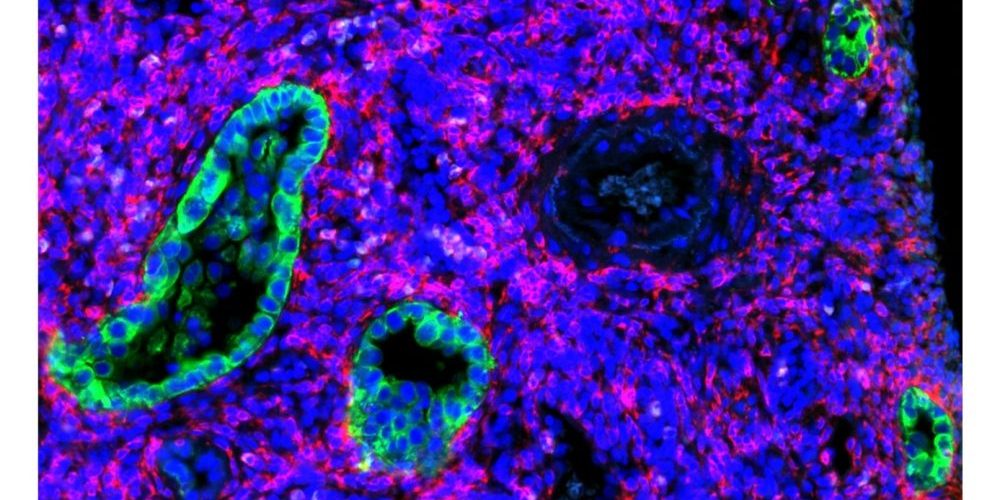
Using an advanced technique called spatial transcriptomics, led by Dr Matthew Bottomley, they will develop highly detailed maps of kidney tissue, showing exactly which genes are active in different parts of the kidney tissue. This will allow them to compare areas where BK virus is actively multiplying with nearby areas where the virus is not active.
“This gives us a completely new way of looking at BK virus,” said Dr Peter Wing. “We have a set of gene signatures linked to low oxygen responses. If we can map those signatures onto the areas of the kidney affected by the virus and show that this pathway is important for BK virus, then it becomes a pathway we need to be targeting."
How can we translate this into the clinic?
Although the research is still at an early stage, the team is already thinking about how the findings could benefit patients in the future by revealing potentially new drug targets.
The project brings together virologists, transplant specialists and clinician scientists at Oxford, combining expertise that could help accelerate the path from discovery to future treatment development.
“We’re very fortunate to have strong collaborations with clinical teams here in Oxford, and I’m grateful to Kidney Research UK for funding this work through the TAKA programme,” Dr Peter Wing. “Our ultimate goal is to translate these findings into treatments that can genuinely make a difference in the clinic.”

Have you been diagnosed with kidney disease?
Request your free Kidney Kit today.
You'll find tips and support from kidney patients, delicious recipes, simple exercise plans and more.