

Young patient shines a light on mental health impact of kidney disease
A kidney patient from Newcastle is speaking out about her struggles with mental health, aiming to help others feel less isolated and highlight the importance of renal mental health services.
Ellyn Laws, 30, has been through a lot in her young life, first needing dialysis when her kidneys failed at just two years old. Almost three decades later, she continues to need dialysis while she waits for a fifth kidney transplant.
Two thirds of kidney patients report experiencing symptoms of depression and one in four have considered self-harm or suicide as a result of kidney disease. It is very common for mental health to be affected by living with a chronic illness.
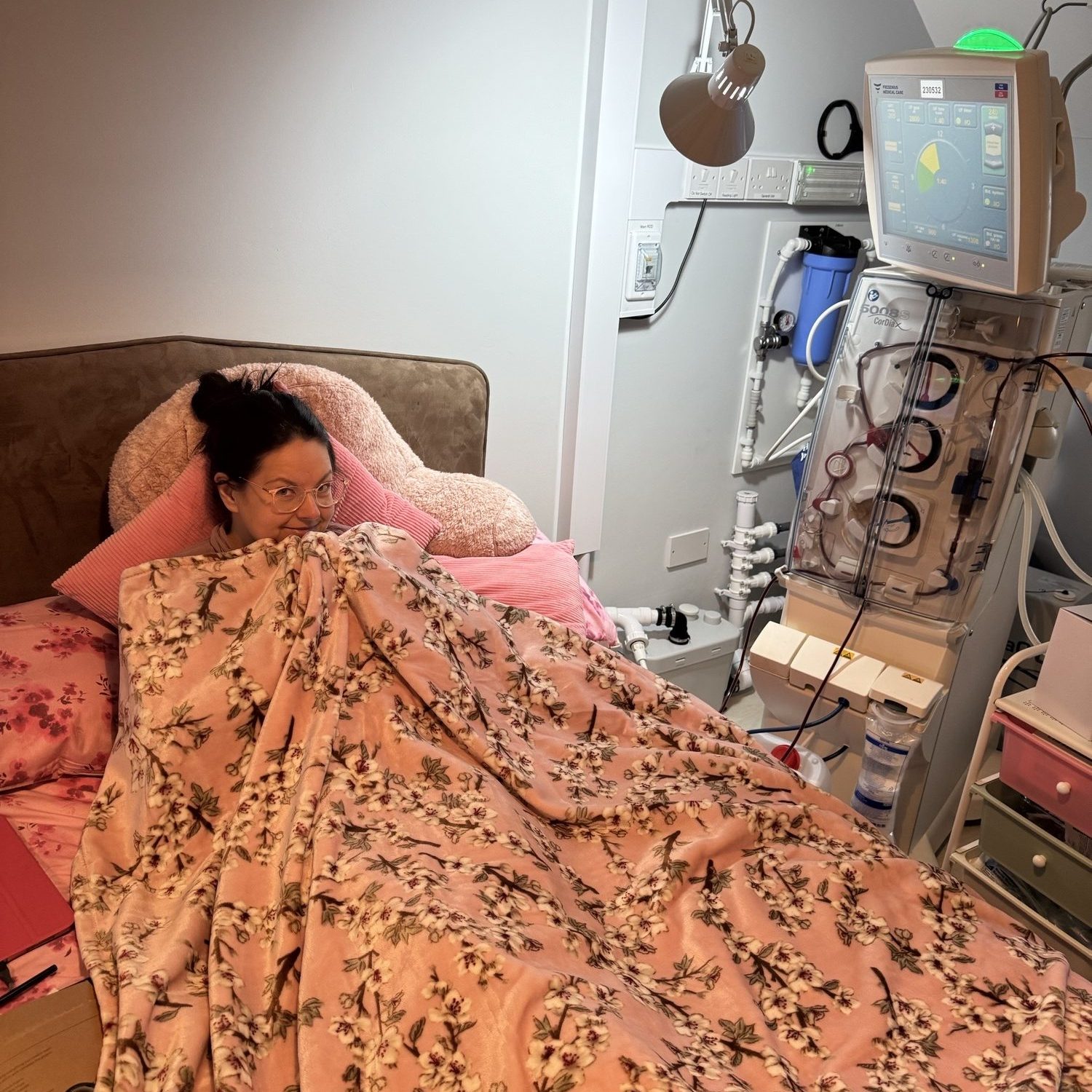
Ellyn is among those struggling with her condition and has been diagnosed with post-traumatic stress disorder (PTSD) due to the impact of kidney disease.
She says: “Mental health and kidney disease have been so closely linked throughout my life. I often felt left out and bullied at school because I was different. All these years later, I still don’t feel like I’ve had the chance to fully start my life. My days revolve around dialysis and it’s hard feeling like everything is on hold until I can have a fifth transplant. Dreams I had for my career and starting a family are up in the air and it’s difficult to deal with.
“I’ve had several types of support for my mental health over the years at two different hospitals in the northeast. I’ve found there can often be a lack of understanding of kidney disease in non-specialist services. Therapists can end up suggesting things like having a bath or drinking tea because they don’t recognise the limitations that my condition puts on my life.
“In contrast, the specialist renal psychological care I’ve been able to have at James Cook University Hospital has worked wonders to help me process past traumas. Unfortunately, this type of support is only provided short-term and is not available in many areas of the country. It’s frightening how little help is accessible for patients. It should be provided long-term in all renal units in conjunction with physical care.”
Kidney disease in childhood
Ellyn has lived with kidney disease for her entire life. At two years old she needed dialysis, and by four, she had received her first transplant.
She says: “Having kidney disease is all I’ve ever known. The children I was surrounded by in my early years in hospital had similar problems to me. However, when I started school, I noticed I was different.
“I joined a few months later than other children, as I’d just received a transplant. I found it hard to keep up and was smaller than most because kidney disease affected my growth. It could be quite isolating.”
At eight years old, Ellyn’s transplanted kidney failed and she needed to return to dialysis.
She says: “At that age, kids could be mean. I missed a lot of school and was bullied. It was hard to build and maintain friendships. I still find that difficult as an adult, having missed out on developing those social skills.”

Becoming an adult with kidney disease
When Ellyn turned ten, she received a kidney from her dad which lasted for 13 years.
She says: “I could focus my efforts on my GCSEs, going to university and getting a job. I finally had a good group of friends and knew what I wanted to do with my future. I was volunteering with a charity helping victims of abuse and planned to go into social work or policing. Then, suddenly, my world changed again.”
At a routine appointment, Ellyn was told her creatinine levels had risen, signalling problems with her transplanted kidney. A biopsy revealed it was being rejected.
Ellyn says: “Doctors tried treating me with steroids, but nothing worked and the kidney failed. I was back on dialysis at 23 years old waiting for a third transplant. Coming to terms with being unable to work and having to move back home with my parents was extremely hard.”
When Ellyn received her third transplant the following year, the kidney did not function as she’d hoped.
She says: “I had infection after infection and it lasted for just three years. I’m thankful that during that time I had the opportunity to move in with my partner, Ben, get an administrative role with the police and go on holiday. But by 2024, my transplanted kidney had failed, and I've needed dialysis ever since.”
Devastating transplant rejection
In 2025, Ellyn received a transplant from her aunt, Lou. However, despite the kidney being in good condition, Ellyn’s antibodies attacked a small piece of vein used to connect the organ during surgery, causing rejection.
She says: “I’ve never been as excited about anything as receiving a transplant from my aunt. I had plans for my life that hinged on having that kidney. However, when I woke up from surgery, I needed to go to critical care because my blood pressure had dropped. The next day, I still wasn’t passing urine and was sent for a scan. I knew something wasn’t right and was told the kidney would need to be removed.
“I’ve felt so much grief because of the loss of that kidney and have guilt that my aunt went through surgery, just for it not to work. I remember saying ‘I can’t do this, I can’t stay on dialysis’ and my dad crying, begging me to keep going. I try to hold on to the hope that I’ll get another kidney one day. I just don’t know when that will be.”
Mental health and kidney disease
Looking after her mental health is something Ellyn continues to navigate as best she can.
She says: “It’s difficult to come to terms with needing to wait for another transplant. I’m having dialysis while a lot of my friends are getting married and starting families. I know the chances of me having a child are slim because of the strain it would put on my body, even after a transplant.
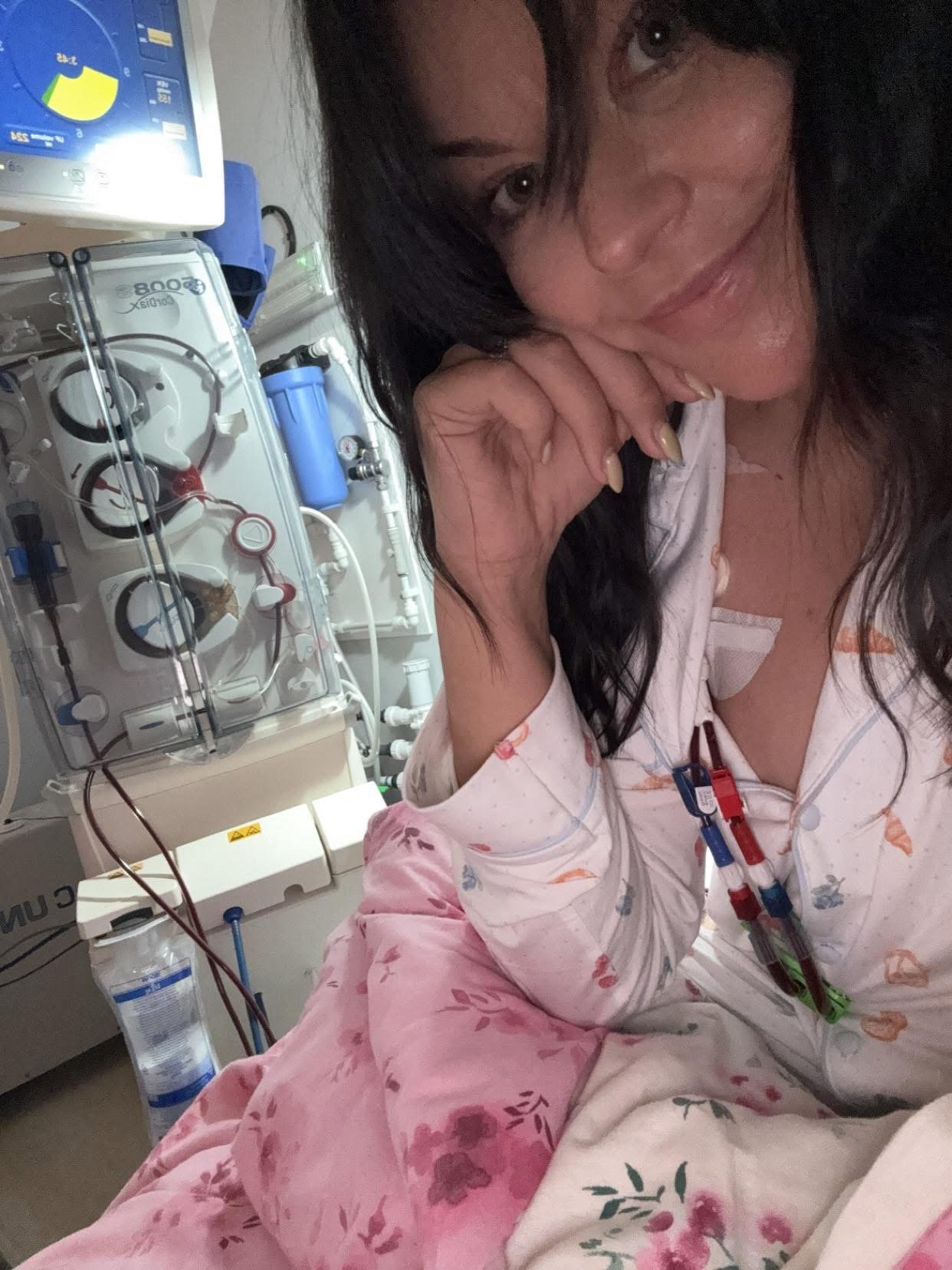
“Needing to dialyse three times a week before work can be a struggle. However, my job offers me a focus and some normality. My administrative role is not what I imagined I’d be doing, but I’m slowly progressing within the police which I’m proud of, and they have supported me with flexible working.
“It can be hard to find support in your personal life, especially from people who haven’t experienced kidney problems. People can get bored of you when you’re ill. They may try to be there for you at first, but when you’re not getting better, they don’t know how to cope with that. It can lead to feeling very isolated.
“There is a stigma. People assume kidney disease only happens to older people and can say hurtful things because of a lack of understanding. I’ve been asked whether my kidney problems were because of drinking too much alcohol, which is a complete myth. I’ve also had someone say, ‘at least it’s not cancer’.
“Kidney disease is becoming more prevalent, so raising awareness is extremely important. I hope reading stories like mine will help others feel a little less alone. I hope it also demonstrates how important specialist renal psychological support is. Doctors can sometimes see the kidney, but not the person who is attached to it. So, it’s vital mental health support is accessible for kidney patients.”
Mental health support
Find out more about looking after your mental health while living with kidney disease.
Kidney Community
A dedicated online forum for kidney patients and carers, helping people connect with others who might be going through similar experiences.
Co-developed with patients and carers, Kidney Community is a welcoming, safe space where you can share experiences, ask questions and find information and support.